Why Sole Founders Burn Energy Before They See Results
Jan 01, 2026
The New Year Might Need a Fresh Start — But the Right Structure is Essential
January 1st has a strange effect on entrepreneurs.
Nothing has actually changed — and yet small things feel bigger than they should.
The ideas you’ve been pondering.
The decisions you’ve been putting off.
The self-made pressure to “make this the year success happens.”
This weight is feeling heavy, and it definitely didn’t start piling today.
And despite what the internet says, it’s easy to believe the heaviness is from a lack of motivation, confidence, or because you’re behind schedule.
But if you’re a solopreneur, consider closely whether it’s because you’ve been thinking alone for too long.
January 1st is a time when business owners like to look ahead to the next year, and this forces an examination under the hood.
What appears to be weakness is actually structural strain.
And one of the most expensive structural failures in early-stage entrepreneurship is doing it alone.
The Myth That Quietly Destroys Momentum: “I’ll Succeed By Myself”
We’re taught to admire the self-made entrepreneur because this person represents independence, resourcefulness, and strength.
So when things feel unexpectedly more difficult, I notice so many solo business owners don’t ask for support. Instead, they isolate themselves further.
They assume:
- “I just need to push through.”
- “Once I’m more confident, this will get easier.”
- “Everyone else seems to figure it out on their own.”
Or as one of my clients put it (after the fact), “I couldn’t show others I was struggling. I was so ashamed.”
But the truth is:
Humans are not designed for solo decision-making — especially in uncertain environments.
Entrepreneurship removes structure instead of creating it.
When you’re alone, there’s no boss, no benchmark, and no built-in feedback.
Those are real drawbacks of traveling the road alone. You pay both emotionally and cognitively, unless you seek the missing pieces externally.
The Cognitive Tax of Doing It Alone

What happens when your brain loses access to the external mirrors and sounding boards it normally uses to stay grounded?
- Decisions feel heavier than they should
- Small choices drain large amounts of energy
- Risks feel distorted — either exaggerated or minimized
- Confidence erodes after you start
This isn’t a personality flaw.
It’s cognitive drift.
Your thinking slowly veers in the wrong direction, and there’s nothing in place to correct it.
And the longer this goes unnoticed, the more it costs you — in time, clarity, and momentum.
Even Iconic Entrepreneurs Didn’t Do It Alone
Phil Knight didn’t start Nike with certainty or clarity. In his memoir Shoe Dog, he describes the early years as uncertain, messy, and deeply reliant on trusted collaborators.
In the early days, he was selling shoes out of the trunk of his car. He was educated, driven, yet unsure. What made the difference wasn’t willpower. It wasn’t grit.
It was strategic human input.
Mr. Knight has spoken openly about how trusted collaborators were essential. These people challenged his thinking, shaped decisions, and helped him see what he couldn’t see by himself.
These were trusted collaborators who helped him. Not community, and not crowds.
These details collapse the fantasy of the sole founder who wants to do it alone.
Even the most successful entrepreneurs didn’t carry the cognitive load by themselves.
When Isolation Starts to Rewrite Your Identity
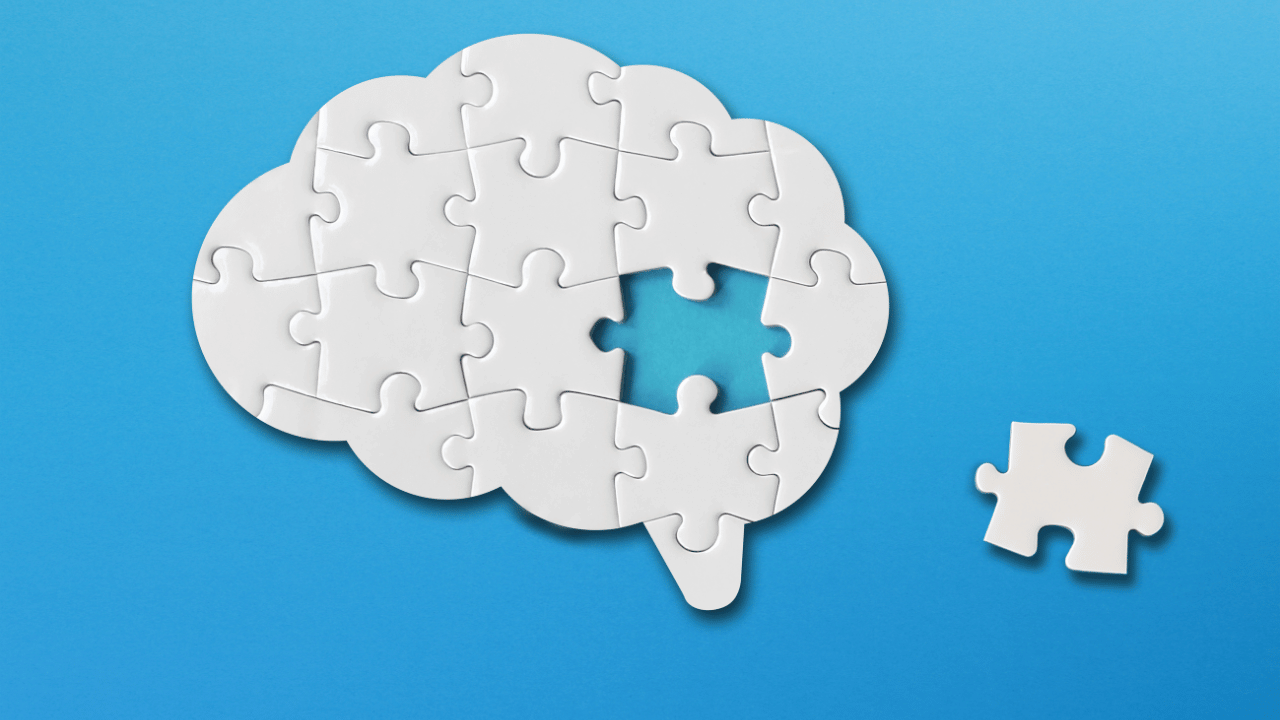
Left unchecked, running a business in isolation doesn’t affect just your decision-making.
It affects who you believe you are, your self-perception.
You might notice this happening when:
- You hesitate to call yourself a business owner
- You underprice your products or services to avoid internal discomfort
- You overthink decisions you’re fully capable of making
- You shrink the size of your goals to reduce your mental strain
Your self-identity weakens when you shoulder the responsibility yourself, unsupported.
When you’re stepping into a role you haven’t fully inhabited yet and don’t have reinforcement, your self-doubt doesn’t get challenged.
It gets normalized.
This is the same pattern many first-time entrepreneurs experience as they struggle to build confidence — not because they lack ability, but because they’re trying to develop a new identity without reinforcement or reflection.
The New Year Trap: Trying to Fix Output Instead of Infrastructure
This is where New Year’s resolutions quietly fail entrepreneurs.
They focus on output such as better discipline, new habits, stronger motivation.
I’m not saying these aren’t important too, but they shouldn’t be the priority when the underlying system is broken. Pushing harder on output just increases friction and strain.
A new year doesn’t call for more effort.
A new year calls for better support structures — the kind that reduce decision fatigue, sharpen perception, and stabilize identity.
That’s what solid business foundations for entrepreneurs actually do.
Entrepreneurial Fitness provides the personal and decision-making foundation most founders never realize they’re missing — the structure that supports clarity, confidence, and forward momentum before strategy ever comes into play.
They protect your thinking to alleviate the constant strain.
Why “Community” Isn’t the Answer — and What Is

Being unsupported doesn’t disappear just because you’re surrounded by people.
It disappears when you have constructive contact — the right perspectives at the right moments.
That looks like:
- Trusted advisors who understand entrepreneurial decision-making
- Clear frameworks that reduce mental load
- Guidance that strengthens independence
- Feedback that leads to improvements
Creating that infrastructure is why entrepreneurial mindset training and first-time entrepreneur guidance are so valuable for you and your business.
The right support shouldn’t cause you to become dependent on it; it should provide strength and help you solidify your foundation.
A Better Question to Start the Year With
As this new year begins, I suggest you skip the usual question.
Skip:
“What should I push harder?”
Ask this instead:
“What systems do I need to make progressing feel easier?”
Struggling alone in entrepreneurship isn’t a reflection of your capability.
The uncertainty you experience is simply what happens when a human brain is asked to operate without support.
And that’s a design problem — not a personal one.
Where This Leaves You

If this article resonates, it doesn’t mean there’s anything wrong with you.
It means you’ve spotted a system problem that many solopreneurs quietly blame on themselves.
At Ready Set Grow, we help entrepreneurs build the foundations that make clarity, confidence, and sustainable growth possible — starting with Module 1: Entrepreneurial Fitness. Creating a solid business infrastructure will support everything else.
2026 doesn’t need to be the year you work harder — it needs to be the year you work smarter.
You don’t need more grit.
You need a better system.
And this is where it starts.
👉 Explore Module 1: Entrepreneurial Fitness, and discover how entrepreneurial training for beginners can give you clarity, confidence, and a stronger foundation to move from idea to viable business — without carrying the weight alone.
