
Trust Is Built Long Before You Have Clients: The Habits That Make People Take You Seriously
Aug 20, 2026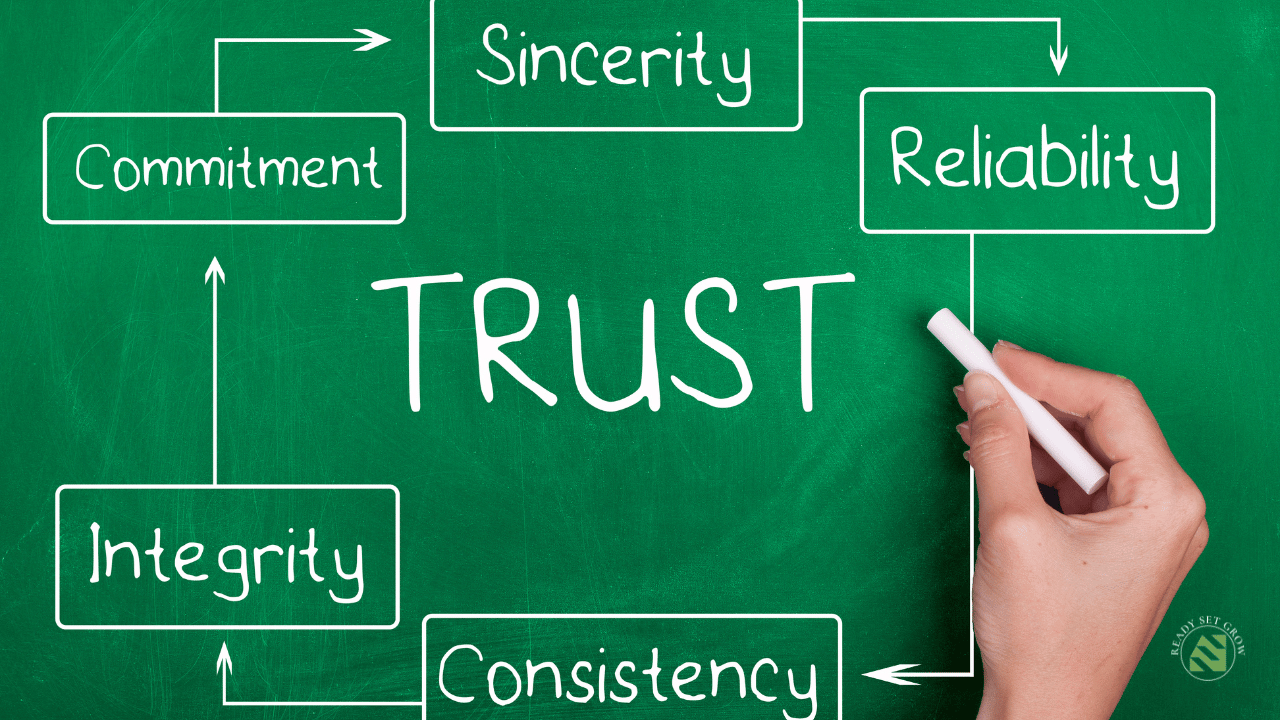
You reply to an email when you said you would.
You arrive prepared for a conversation, even when the value of it is not yet obvious.
You send the information you promised, even though the other person has not followed up.
None of these moments feels especially important.
But someone may already be forming an impression of you.
New entrepreneurs often assume trust begins after they have testimonials, a significant client base, or a record of business results. Until then, they may feel they are asking people to take a chance on them.
Usually, the chance is not as blind as it seems.
Your First Client May Have Been Evaluating You For a While Already
To you, the first paid engagement may feel like the beginning of a relationship
To the client, the relationship may have started much earlier.
They may have been watching you from a distance. They may remember how clearly you explained an idea at a community event. They may have noticed that you followed through after a networking conversation. They may have seen how you treated another person when there was nothing obvious to gain.
These interactions help people predict what working with you might be like.
A prompt reply suggests you are responsive.
A prepared meeting suggests you are diligent.
An honest answer suggests you are sincere.
A promise kept suggests you are dependable.
Trust is not simply a warm feeling. It is a conclusion people form and predicts your future behaviour.
Small Commitments Become Evidence

Before someone gives you a large responsibility, they often observe how you handle a smaller one.
Did you send the document like you said you would?
Did you arrive when expected?
Did you make the next step clear?
Each small commitment becomes evidence.
This is part of entrepreneurial fitness because the habits that support a business often develop before the business has much visible proof. Strong business foundations are built through ordinary conduct repeated often enough that people know what to expect.
Your first client may be reluctant to take a chance on someone they don’t know.
But if they have already watched you handle small responsibilities well, the decision may no longer feel like much of a risk.
Credibility Does Not Require Pretending
A lack of experience can create a particular kind of pressure.
You may worry that admitting what you do not know will make you appear unqualified. You may be tempted to sound more established, make broader claims, or agree to work outside your current ability.
That usually weakens the very trust you are trying to create.
Credibility grows when confidence and honesty appear together.
It means explaining what you know, what you have done, what you are still developing, and how you intend on approaching the work. It also means asking thoughtful questions instead of fumbling for immediate answers.
Being new at your profession does not necessarily make you unreliable.
But misrepresenting your readiness can.
Sara Blakely had no established retail track record when she secured an early meeting with a Neiman Marcus buyer for Spanx. In her account of the early Spanx story, Blakely explains that she flew to Dallas for a brief meeting and demonstrated the product herself. The buyer agreed to place Spanx in 7 stores. The decision was not based on years of testimonials, but on what Blakely could demonstrate and the seriousness with which she handled the opportunity.
Professionalism Shows Most Clearly When Something Goes Wrong

Trustworthy behaviour is easiest to maintain when everything is going according to plan.
The more revealing moments come when you’re under pressure. Times such as when you’re running behind on a deadline, a client gives you uncomfortable feedback, or a mistake you made is revealed.
People notice whether you become defensive, disappear, blame someone else, or communicate calmly and take responsibility.
Composure under pressure is one way people measure professional credibility.
The ability to pause, clarify the problem, acknowledge your part, and propose a reasonable next step tells people that you can still be relied upon when the work becomes difficult.
Boundaries communicate something similar.
An enthusiastic promise may sound encouraging. But a realistic promise you can keep is more valuable. Saying, “Here is what I can complete by Friday,” and following through may build more trust than agreeing to more than you can handle and disappointing the person later.
Speaking with honesty, acknowledging your limits, and taking responsibility do not make you look less capable. This behaviour makes it easier for people to believe they can rely on you.
Build the Habits Before You Need the Proof
These moments reveal an important truth: An opportunity does not suddenly make someone professional. More often, the opportunity is offered because that person has already shown that they can handle it.
When you communicate with care, use sound judgment, and take responsibility before a client is involved, you begin demonstrating the role before you actually step into it. Later, when someone is deciding whether to hire or recommend you, they do not have to rely entirely on hope. Your conduct has already made part of that decision easier.
The more useful question is not, “How do I convince people to trust me?”
It is, “What would a trustworthy person consistently do in this situation?”
Then act that way.
Make the Decision Easier for Them

People do not necessarily begin trusting you only after you become successful.
Success often becomes possible because people have already seen enough evidence to believe you will behave responsibly with a larger opportunity.
It is not necessary to wait until your business is established to earn credibility.
Simply communicate clearly, prepare carefully, respect people’s time, remain honest about your experience, and take responsibility for your decisions.
Do not wait to have clients before you begin acting like the entrepreneur you want them to trust
Choose one commitment this week and handle it with the same care you would give a paying client.
For a related perspective on how confidence grows through evidence, read my previous article, Why Confidence Isn’t the First Step in Entrepreneurship.
